October 6, 2026
Timber remains a prominent choice for exterior design due to its timeless allure and functionality. Its presence can be seen throughout various historical periods, where it was not only utilized for structural support but also as an expression of artistry and culture. This material provides incredible versatility, allowing homeowners to realize their architectural visions effortlessly. Today, skilled deck builders often rely on this organic resource to craft environments that blend seamlessly into nature. By understanding its historical significance, environmental benefits, aesthetic versatility, and economic contributions, one can truly appreciate its enduring popularity. Let us explore the fundamental reasons why timber continues to dominate the realms of outdoor architecture today.
Uncovering Ancient Uses and Craftsmanship
In ancient civilizations, timber was a fundamental building material employed for its accessibility and workability. From the grand structures of Egypt to the intricate pagodas of Asia, it served as a primary resource for shelter and durability. The skillful craftsmanship of the time allowed this resource to be shaped into elaborate designs, demonstrating both function and beauty. Artisans utilized simple tools yet achieved remarkable precision. Its adaptability made it integral in evolving design methodologies across different cultures. Modern deck builders still draw inspiration from these early techniques when drafting layouts for contemporary yards.
Tracing the Evolution of Architecture
As time progressed, techniques for utilizing wood in construction advanced significantly. During the Middle Ages, timber-framed buildings became increasingly popular in Europe due to their robustness and cost efficiency. The Renaissance era witnessed wood being paired with stone and other materials, showcasing an evolution in style and structural integrity. Over the centuries, traditional structures faced innovations that introduced enhanced treatment methods, improving durability against the elements. This progression highlights how timber stayed relevant amidst advancing construction technologies. Even today, modern architects look back to these examples for inspiration, integrating ancient sensibilities with new-age innovations.
Managing Renewable Resource Initiatives
Advocates often cite timber as a renewable resource, making it environmentally favorable – compared to finite materials like metal and plastic. Proper forest management ensures that harvesting aligns with regrowth, allowing forests to sustain ecological balance. This sustainable practice supports biodiversity while fulfilling the construction industry's demands. Certification systems govern these efforts, ensuring that procurement is environmentally responsible. This cyclical nature underscores its role as a green solution in building design. For conscientious deck builders, sourcing certified lumber means delivering quality while protecting the planet.
Assessing Lifecycle and Environmental Impact
In an era focused on reducing carbon footprints, wood naturally positions itself as a key environmental ally. Structures capture carbon dioxide during photosynthesis, offering significant storage over their lifespan. Furthermore, less energy consumption during processing enhances its sustainability credibility. The biodegradable nature of this material means it has a comparatively lower environmental impact when its lifecycle concludes. Unlike synthetic construction goods that often contribute to landfill waste, timber naturally decomposes without releasing harmful substances. Thus, even after providing functional and aesthetic value, these products continue to support environmental health.
Harnessing Natural Beauty and Texture
Organic beauty and grain patterns present an aesthetic allure unrivaled by synthetic alternatives. Unique textures offer a warm and inviting quality, enhancing the ambiance of exterior spaces. Designers capitalize on these attributes, using wood to create environments that feel grounded and organic. This inherent beauty offers flexibility across diverse design styles, from rustic to contemporary sophistication. Its aesthetic charm invites continuous innovation, encouraging architects to redefine its applications continually. Whether crafting intimate patios or sprawling layouts, the visual appeal of wood remains universally appreciated.
Integrating With Modern Materials
Timber does not exist in isolation – rather, it harmoniously interacts with other elements to achieve multifaceted designs. Its synergy with contemporary materials like glass and metal fuels architectural advancement. These combinations provide structural integrity alongside visual appeal, all while adhering to sustainable practices. The juxtaposition of organic warmth with modern accents creates compelling visual narratives in outdoor settings. Forward-thinking deck builders frequently blend mixed media to elevate the final product. Successful integration appreciates tradition while embracing forward-thinking expertise, propelling design into future frontiers.
Choosing Ideal Timber Varieties
Diverse varieties provide architects with options to match specific structural goals. Species like oak, cedar, and redwood each offer distinct properties, including strength, workability, and rot resistance. The choice of variety can significantly influence a project's lifespan and maintenance needs. Understanding and choosing suitable wood for the intended application ensures favorable outcomes in both performance and durability. This fundamental knowledge allows professionals to leverage the inherent strengths of each type strategically. Experienced deck builders know exactly which species will thrive in a given local climate.
Utilizing Technological Advances
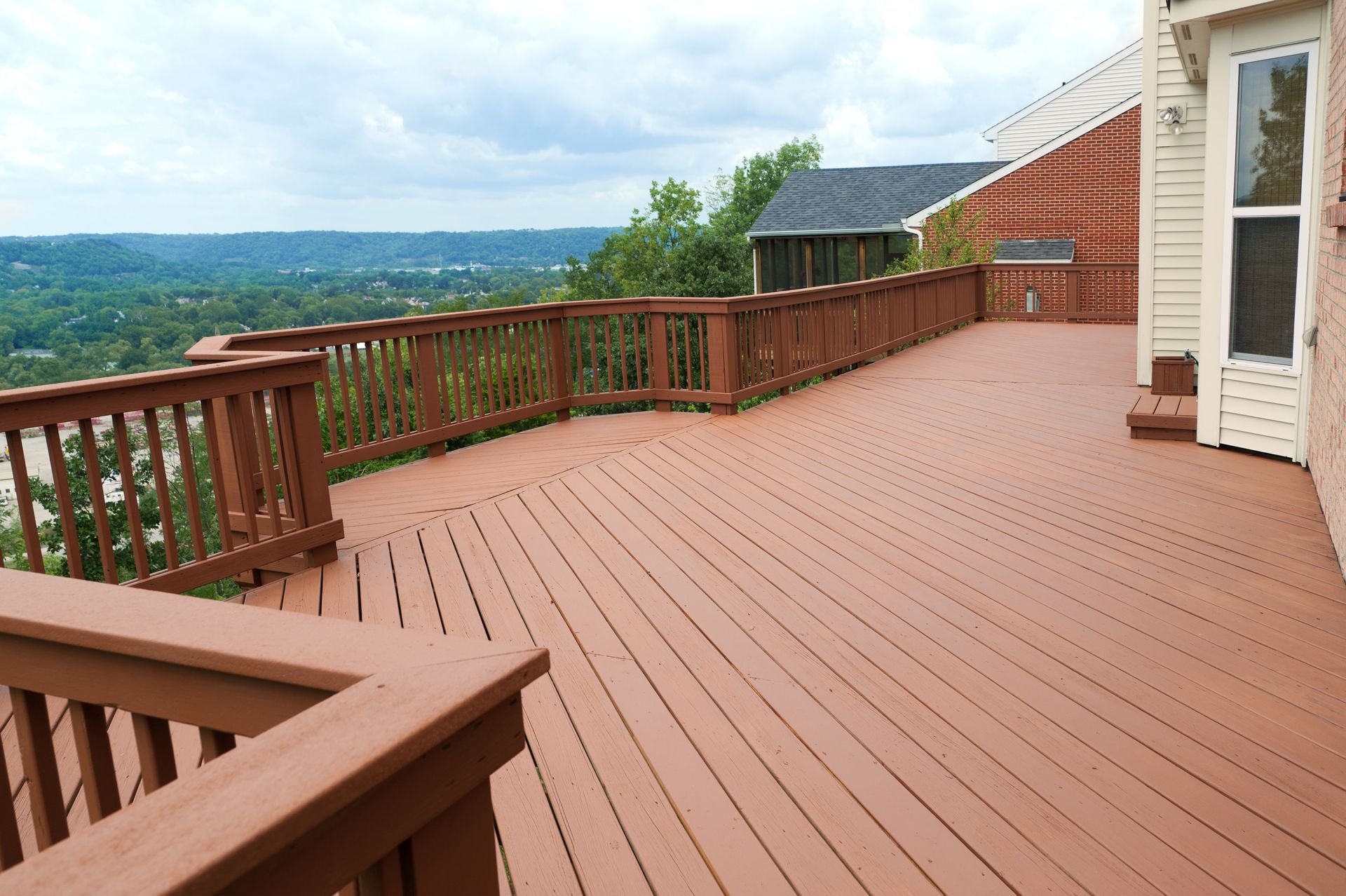
Recent technological developments in treatment have significantly extended the useful lifespan of wooden materials. Techniques such as kiln drying and pressure treatment improve resistance to pests, moisture, and decay. These advancements enable boards to withstand challenging environmental conditions without compromising aesthetic qualities or performance. Through innovative treatment processes, engineers ensure wood remains a strong contender in modern construction landscapes. Weather resistance is paramount for outdoor construction, and treated boards meet this challenge head-on. Proper maintenance practices, such as routine sealing, further maximize durability across its functional lifecycle.
Connecting With the Natural World
Using organic elements in exterior spaces fosters a profound connection to the outdoors. The tactile quality of wooden surfaces enhances sensory experiences, grounding individuals in their environment. This kinship promotes mindfulness and well-being through visual representation and tangible touch. The role of wood extends beyond aesthetics, contributing to overall environmental integration, which connects the built environment with the surrounding landscape. Spaces designed with these materials radiate tranquility and solace. Mindful design practices ultimately contribute to healthier lifestyles, providing a calming backdrop for social gatherings and solitary moments alike.
Crafting Inviting Outdoor Spaces
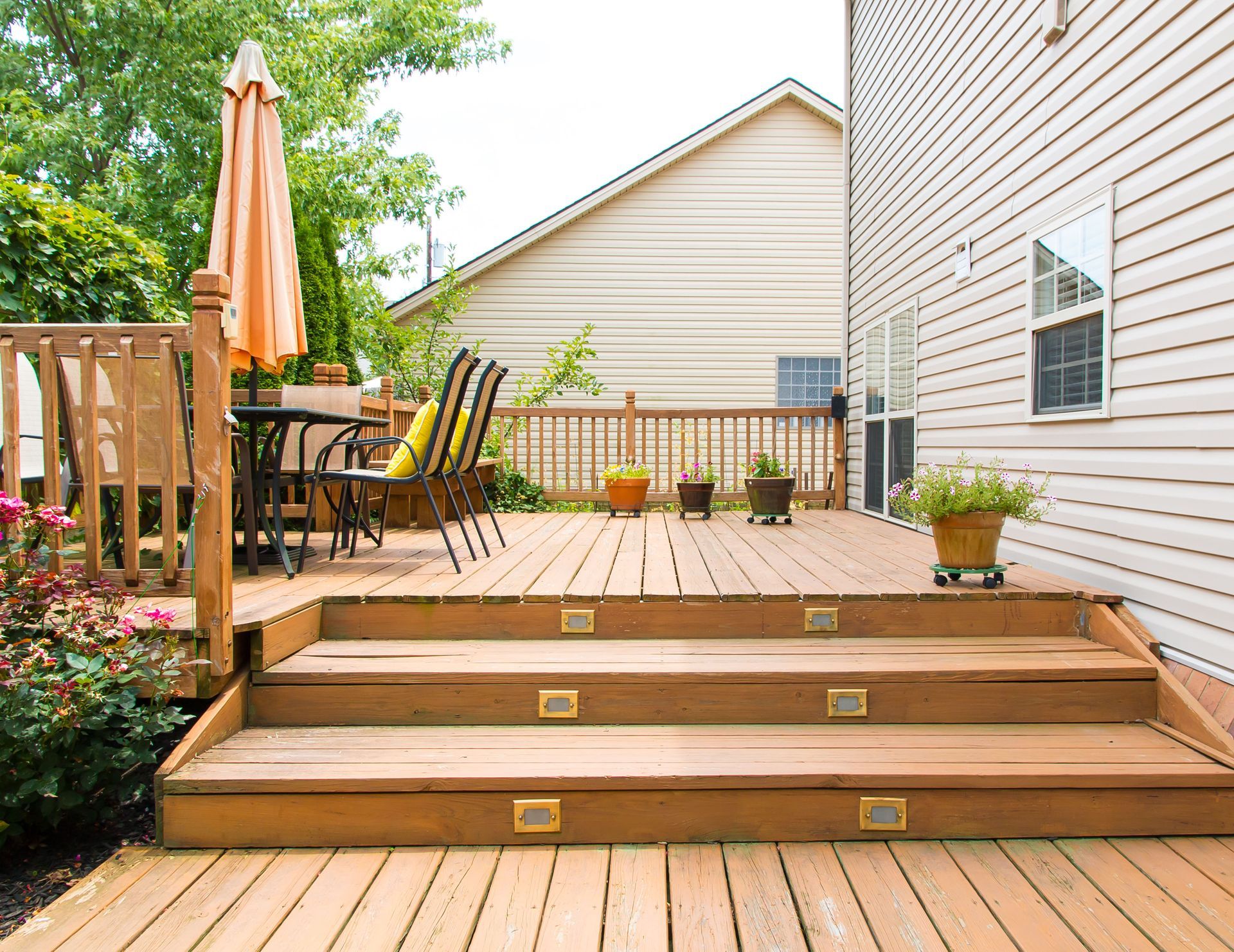
Well-crafted wooden areas possess an unrivaled charm that invites inhabitants outside, fostering engagement with family and friends. Their inviting and supportive nature prompts interactions, enhancing connectivity and community building. Structures provide shelter for recreational pursuits like patio dining and leisure reading, supporting diverse experiences. Moreover, the reliability of wood ensures that such spaces become cherished for generations. Local deck builders can transform an ordinary backyard into a true sanctuary. Through artful planning, timeless elegance creates havens where both profound contemplation and lively camaraderie blossom.
Analyzing Economic Value and Market Trends
The industry has seen consistent growth as demand for sustainable and aesthetic building goods continues to rise. According to Amra & Elma, timber configurations capture a 60% revenue share of the overall deck market. This dominance indicates a strong consumer preference for traditional resources that offer a combination of value, beauty, and eco-friendliness. Despite initial higher costs compared to some alternatives, long-term affordability affirms its value proposition. Low maintenance requirements and energy efficiency offset upfront investments. Consequently, properties featuring these elements often attract higher market values due to their exceptional appeal.
Meeting Emergent Demand for Custom Spaces
Emergent markets continue to push demand as consumers prioritize environmental considerations and aesthetic charm. Its global resonance enables it to transcend cultural boundaries, resonating with regional design preferences. Homeowners are increasingly seeking diverse options to enhance their yards. As a result, professional deck builders are expanding their capabilities to meet this growing interest. Today, a comprehensive provider might offer deck services, composite and wood decks, deck replacement and repair, new deck construction, porch services, screened-in porches, screened-in porch repair, specialized outdoor structures, gazebo services, and pergola services. Together, these evolving market dynamics underscore an ever-popular construction resource.
From ancient history to modern architecture, timber stands as a testament to enduring design principles and emerging environmental stewardship.
Highlighting its historical significance, sustainability, aesthetics, structural integrity, emotional resonance, and market relevance, this material remains a steadfast and innovative resource. The timeless appeal of wood thus secures its continued influence in shaping our sustainable future. If you are looking to elevate your own yard, our team of dedicated deck builders is here to help. We provide exceptional craftsmanship tailored to your unique vision. Constructing KC invites you to reach out today to start planning your perfect exterior oasis!